

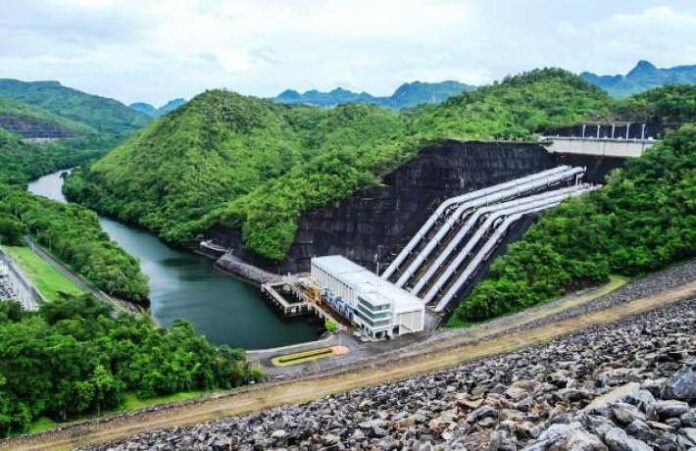
Ecobiz.asia — PT North Sumatra Hydro Energy (NSHE), developer of the Batang Toru hydropower plant in North Sumatra, will pay Rp200.6 billion (around $12.7 million) in non-tax state revenue (PNBP) as an environmental penalty following hydrometeorological impacts in the Batang Toru watershed.
Minister of Environment Hanif Faisol Nurofiq said the payment is scheduled to be made by mid-April 2026, in line with a court settlement agreement.
“In accordance with the court agreement, the payment will be made by mid-April,” Hanif said on April 7, 2026.
NSHE was among 28 companies whose permits were revoked by President Prabowo Subianto in late January 2026, following findings by the Forest Area Enforcement Task Force (PKH) that linked corporate activities to hydrological disasters in North Sumatra, Aceh, and West Sumatra.
The Ministry of Environment filed a civil lawsuit against NSHE after field supervision concluded that the company’s activities had caused environmental damage. The case was registered at the South Jakarta District Court in January 2026.
Under the lawsuit, the government sought to hold the company strictly liable for environmental losses and demanded compensation totaling Rp200.6 billion to be paid to the state.
The penalty comprises Rp87.97 billion in ecological losses, Rp51.67 billion in environmental economic losses, and Rp22.54 billion in ecosystem restoration costs. Additional components include Rp166 million in dispute verification costs, Rp32.58 billion linked to increased surface runoff due to land clearing, and Rp5.73 billion in sedimentation-related losses.
Hanif said the government has lifted the temporary suspension previously imposed on NSHE’s operations, citing reduced environmental pressure based on recent assessments.
“The suspension was intended to reduce environmental pressure. Based on our evaluation, the pressure has started to decline. However, the environmental audit will continue,” he said.
The reinstatement of the company’s environmental permit will depend on the ongoing environmental audit process, which remains a key requirement for continued operations. ***