
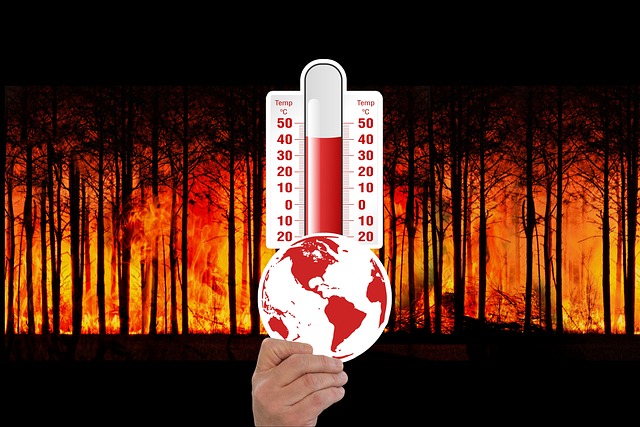
Ecobiz.asia — Global temperatures are likely to exceed the 1.5°C warming threshold within the next few years, increasing climate risks and impacts, but the world can still limit the duration and magnitude of the overshoot and eventually return below the Paris Agreement threshold, according to a new report by the UN Environment Programme (UNEP).
The report, Limiting Overshoot, identifies an “overshoot, peak and decline” pathway as the best remaining option to minimize the rise above 1.5°C and return global temperatures below the threshold as quickly as possible.
Under the most optimistic scenario, global warming would peak at 1.8°C above pre-industrial levels. Most other scenarios project higher peak temperatures.
UNEP said keeping warming above 1.5°C for longer would intensify climate impacts and increase the risks of irreversible tipping points, including the destabilization of major ice sheets, degradation of the Amazon rainforest and disruption of the Atlantic Meridional Overturning Circulation.
“This summer’s scorching heat, raging wildfires and deadly floods are a warning of what lies ahead. We must make the overshoot above 1.5 degrees as small and short as possible,” UN Secretary-General António Guterres said in a statement.
The report calls for immediate and sustained cuts in greenhouse gas emissions, including methane, to reach net-zero emissions, followed by long-term net-negative emissions.
Carbon dioxide removal (CDR), including through afforestation and other methods of removing carbon from the atmosphere, will be an essential part of efforts to bring temperatures back down, UNEP said. However, the report stresses that CDR should complement—not replace—deep and sustained emissions reductions.
“CDR can only contribute credibly to a return below 1.5°C if peak warming remains well below 2°C and all residual emissions are reduced,” the report said.
Risks intensify above 1.5°C
UNEP warned that every additional fraction of a degree above 1.5°C would increase climate risks, including more severe extreme weather, ecosystem losses and threats to Small Island Developing States and low-lying coastal cities.
The impacts are expected to affect human health, food security, water supplies, nature, infrastructure and economies. The likelihood of crossing irreversible climate tipping points also increases as higher temperatures persist for longer.
The report said rapid action to shift away from fossil fuels toward renewable energy could provide additional benefits, including improved air quality and public health, lower energy costs and greater access to electricity.
UNEP said mitigation and adaptation efforts must advance together. Adaptation measures should become more transformational and responsive to emerging risks, while interventions that can deliver both mitigation and adaptation benefits, such as nature-based cooling, should be prioritized.
Finance, governance key to transition
The report identified strong political commitment, multilateral cooperation, effective policies, inclusive governance and adequate financing as key conditions for keeping the overshoot pathway viable.
Equity and justice should underpin the response, with countries bearing greater responsibility for climate change expected to move faster and adopt greater ambition, UNEP said.
Even if global warming eventually returns below 1.5°C, the report warns that years of inaction mean some losses will be irreversible and conditions will have permanently changed.
Some communities may have to relocate or change livelihoods, while governments and societies will face difficult decisions over how to manage the resulting social and economic disruptions.
“There are no good outcomes if we remain above 1.5°C,” UNEP Executive Director Inger Andersen said. “Now is the time we must double down on climate action.” ***