
Ecobiz.asia – Indonesia’s Ministry of Environment/Environmental Control Agency (KLH/BPLH) is preparing regulations and a roadmap for carbon trading in the waste sector as part of efforts to strengthen the implementation of the country’s Carbon Pricing (NEK) framework.
Acting Director for Carbon Economic Value Governance at KLH/BPLH, Haryo Pambudi, said the waste sector holds significant potential to support Indonesia’s emission reduction targets while generating economic value through carbon trading mechanisms.
“We are currently preparing regulations as well as a carbon trading roadmap for the waste sector, which will become an important part of Indonesia’s national carbon trading roadmap,” Haryo said during the National Carbon Forum themed “Implementation of Carbon Economic Value in Indonesia’s Waste Sector” at INVIROTECH 2026 on Friday (June 12, 2026).
According to Haryo, the formulation of the policy requires input from regional governments, businesses, academics, and other stakeholders to ensure effective implementation.
“Feedback from local governments, businesses, academics, and stakeholders is essential to ensure that the policies can be implemented effectively and deliver optimal benefits,” he said.
The forum served as a platform to discuss opportunities and challenges related to carbon trading implementation in domestic solid waste, domestic wastewater, industrial solid waste, and industrial wastewater subsectors.
KLH/BPLH views the waste sector as a major source of greenhouse gas mitigation potential. Under the Carbon Pricing framework, emission reductions from waste management activities can be converted into emission reduction certificates and traded as carbon credits.
During the forum, several regional governments presented low-emission waste management initiatives with potential to be developed into carbon projects.
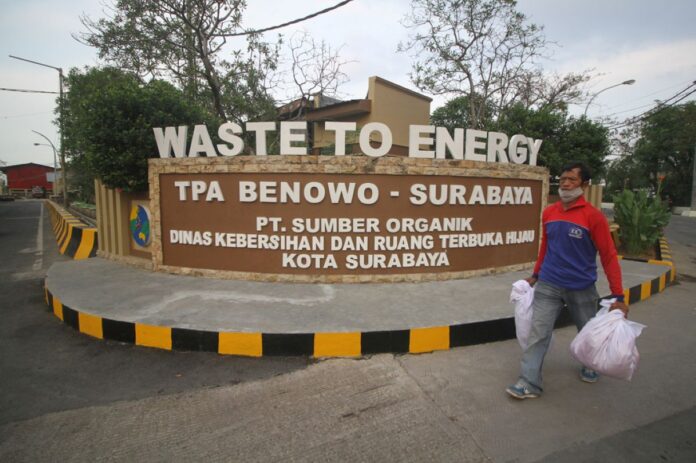
Secretary of Surabaya Environmental Agency, Maria Agustin Yuristina, explained that the Benowo Waste-to-Energy Plant (PLTSa) has reduced waste volumes while generating electricity and lowering greenhouse gas emissions.
She added that the waste-to-energy facility also opens opportunities for carbon credit development in the waste sector.
Meanwhile, the Acting Head of the Banyumas Environmental Agency presented the regency’s circular economy-based waste management initiatives through Refuse Derived Fuel (RDF) facilities and recycling centers, which have reduced waste while creating economic benefits for local communities.
Discussions also highlighted several challenges in developing carbon trading in the waste sector, including data readiness, emissions calculation methodologies, regulatory frameworks, and the development of carbon projects by regional governments and the private sector. ***