

Ecobiz.asia — Indonesia’s Ministry of Environment/Environmental Control Agency (KLH/BPLH) has frozen the environmental permits of 36 mining companies, most of them operating in the coal and nickel sectors, after finding serious violations related to wastewater disposal and environmental management.
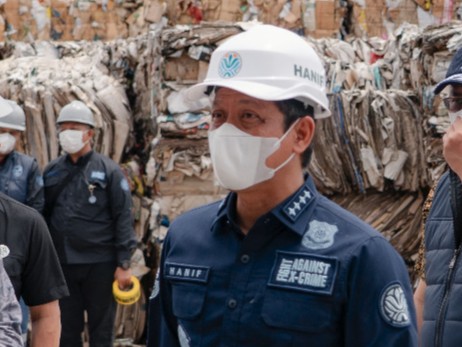
Minister of Environment/Head of BPLH Hanif Faisol Nurofiq said the sanctions were part of a nationwide evaluation of 1,358 companies engaged in extractive mining and nickel processing activities. Of that total, 250 companies across 14 provinces have completed environmental audits.
“From the evaluation, around 36 companies have had their permits frozen, meaning they are no longer allowed to operate,” Hanif said after a limited coordination meeting at the Office of the Coordinating Ministry for Food Affairs in Jakarta on Monday (Feb. 23, 2026).
One of the companies affected is PT Citra Palu Minerals, a subsidiary of PT Bumi Resources Minerals Tbk. Hanif said the decision was taken due to serious environmental risks, particularly because the mining site is located upstream and poses potential threats to Palu City downstream.
“The environmental problems there are quite serious. The mine is located upstream, directly above Palu City,” he said.
KLH/BPLH had imposed administrative and civil sanctions on the company prior to the sealing of the site by the Forest Area Enforcement Task Force (Satgas PKH). The ministry has also ordered the suspension of all mining activities and required a comprehensive environmental audit.
“We took action earlier. For CPM, two sanctions are currently being enforced, including civil litigation,” Hanif said.
Earlier, the task force sealed the gold mining concession of the company in Palu, Central Sulawesi, after finding mining activities inside protected forest and limited production forest areas. The action was taken under Presidential Regulation No. 5 of 2025 on Forest Area Enforcement.
As part of the broader evaluation, KLH/BPLH has filed civil lawsuits against around 30 companies for environmental damage.
“The compensation value we are seeking is estimated at Rp5 to Rp6 trillion,” Hanif said, adding that although not all lawsuits succeeded at the first court level, the government would continue legal efforts through appeals. ***