
Gold Standard Launches G-RESET Methodology to Expand Carbon Finance for Renewable Energy Projects

MORE ARTICLES

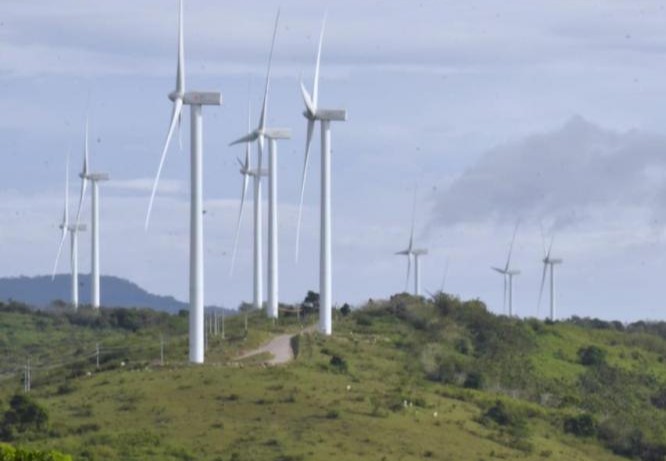
Ecobiz.asia – Carbon standard setter Gold Standard has launched a new methodology to expand carbon credit certification pathways for renewable energy, energy storage and power system projects that require carbon finance to unlock additional climate action.

The Grid-Connected Renewables, Storage and Energy Transition (G-RESET) methodology assesses the need for carbon finance based on individual project characteristics rather than relying solely on the income level of the country where a project is located.

Gold Standard said the energy transition increasingly requires more than adding renewable generation capacity. Grid constraints, renewable energy curtailment, limited storage capacity and insufficient system flexibility can prevent clean electricity from being used when and where it is needed, increasing the cost of the transition.

Read also:  Indonesia Backs Safe Harbour Mechanism to Boost Confidence in Global Carbon Markets

“Renewable energy projects increasingly need to do more than simply add generation. They need to store, shift and deliver clean energy when and where it is needed. G-RESET gives project developers a credible framework for financing projects that address these challenges, while ensuring that carbon finance supports only activities where it can unlock genuinely additional climate action,” said Sarah Leugers, Gold Standard’s Chief Growth Officer, in a statement as quoted on Monday (Oct. 12, 2026).

Read also:  ICVCM Approves Verra, Equitable Earth Methodologies for Coal Retirement and Forest Restoration

G-RESET replaces location-based screening with project-specific eligibility and additionality assessments tailored to different project modules. Gold Standard said a country’s income level does not necessarily reflect whether an individual project needs carbon finance to proceed.

The methodology covers a range of configurations, including new power generation facilities, upgrades to existing installations, energy storage, captive power supply and virtual power plants.

Project developers must still demonstrate that carbon finance is necessary to implement their projects and meet the methodology’s requirements before they can receive Gold Standard certification.

Read also:  Riau Seeks Faster ART-TREES Registration as International Carbon Buyers Await

Broader Framework for Energy Transition Finance

Alongside G-RESET, Gold Standard has published the final Activity Requirements for Energy Systems and Efficiency (ESE) and opened a public consultation on its proposed Small-scale Productive Access to Renewable Kilowatt-hours (SPARK) methodology.

Together, the three frameworks are intended to support carbon finance across the energy transition, covering electricity generation and storage, power system optimization, energy efficiency and expanded access to small-scale renewable energy. ***

LATEST STORIES

MORE ARTICLES

ASEAN Carbon Market Alliance Sets Sights on Regional Integration and Global Standards

Ecobiz.asia – The ASEAN Common Carbon Framework (ACCF) is seeking a more formal role within ASEAN and closer alignment with global carbon market standards...

Indonesia Launches Three Blue Carbon Projects to Restore Coastal Ecosystems

Ecobiz.asia – Indonesia has launched three blue carbon projects focused on mangrove and seagrass restoration, as the government seeks to strengthen the role of...

Indonesia, Japan Develop Forestry Carbon Methodologies for High-Integrity JCM Projects

Ecobiz.asia – Indonesia and Japan are developing carbon accounting methodologies for forestry projects under their Joint Crediting Mechanism (JCM), focusing on forests, peatlands and...

Indonesia Backs Safe Harbour Mechanism to Boost Confidence in Global Carbon Markets

Ecobiz.asia – Indonesia has welcomed proposals for a safe harbour mechanism to provide legal certainty for companies purchasing and using carbon credits, as governments...

Indonesia Develops Roadmap to Cut Methane Emissions Across Key Sectors

Ecobiz.asia – Indonesia is preparing a coordinated roadmap to reduce methane emissions from major sources, including coal mining, oil and gas operations, agriculture and...

TOP STORIES

Permintaan Industri Teknologi Topang Kenaikan Harga dan Penjualan Timah

Ecobiz.asia -- PT Timah Tbk (TINS) mencatatkan peningkatan penjualan logam timah sebesar 72% menjadi 16.304 ton pada Januari-September 2026 dibandingkan periode yang sama tahun...

PGN Jaga Keandalan Pasokan Gas Bumi bagi 41.000 Pelanggan di Cirebon

Ecobiz.asia -- PT Perusahaan Gas Negara (Persero) Tbk (PGN) mengandalkan infrastruktur Offtake Station Sunyaragi untuk menjaga keandalan penyaluran gas bumi kepada lebih dari 41.000...

PLN Nusantara Renewables Perkuat Portofolio Energi Bersih lewat Empat Kesepakatan di COP31

Ecobiz.asia – PT PLN Nusantara Renewables (PLN NR) memperluas portofolio energi terbarukan melalui empat kesepakatan strategis yang ditandatangani sejumlah perusahaan patungan atau joint venture...

ASEAN Carbon Market Alliance Sets Sights on Regional Integration and Global Standards

Ecobiz.asia – The ASEAN Common Carbon Framework (ACCF) is seeking a more formal role within ASEAN and closer alignment with global carbon market standards...

Indonesia Launches Three Blue Carbon Projects to Restore Coastal Ecosystems

Ecobiz.asia – Indonesia has launched three blue carbon projects focused on mangrove and seagrass restoration, as the government seeks to strengthen the role of...