

Ecobiz.asia — Indonesia’s Ministry of Environment and Environmental Control Agency (KLH/BPLH) is preparing a Climate Justice Law aimed at ensuring that the benefits of carbon trading are shared not only with businesses, but also with indigenous peoples, local communities, and villages that help protect forests and ecosystems.
Environment Minister and Head of BPLH Moh Jumhur Hidayat said the proposed regulation is intended to strengthen fairness and equity within Indonesia’s carbon economy governance framework.
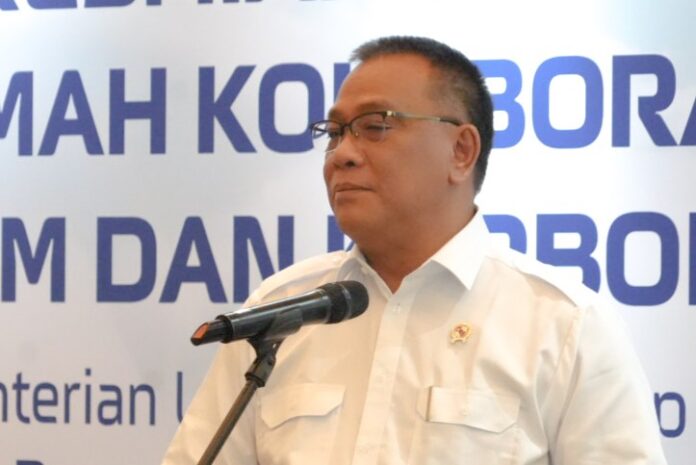
“We will introduce a Climate Justice Law. This is important because carbon trading is often perceived as benefiting only businesses or rent seekers. For the Ministry of Environment, that is not the case,” Jumhur said during the reopening ceremony of the Climate and Carbon Collaboration and Consultation House (RKKIK) in Jakarta on Thursday (June 4, 2026).
According to Jumhur, the government wants to ensure that carbon trading delivers the greatest benefits to communities that have long played a role in protecting the environment and maintaining ecosystems.
“We want to ensure that carbon trading embodies a sense of justice. The main beneficiaries should be the communities that contribute to climate protection, including indigenous peoples, local communities, and rural communities,” he said.
Jumhur argued that stronger recognition and protection of local communities would also enhance the value of Indonesian carbon credits in international markets.
“The more we honor local communities, the more Indonesia’s carbon value will be respected by the international market,” he said.
The minister said Indonesia holds a strategic position in the global carbon market due to its vast forests and rich biodiversity. Therefore, he stressed that carbon trading regulations must be designed to maximize public benefits.
“I agree that carbon trading should be facilitated. But those who generate environmental benefits by protecting nature must be ensured a fair share of the benefits,” he said.
Jumhur also emphasized that the government respects the role of businesses and carbon traders in developing Indonesia’s carbon market. However, he said the governance system must be structured to ensure a fairer distribution of economic gains.
“It should not benefit traders alone. We respect their role because this market also operates because of them. But it must be regulated properly,” he added. ***