
Ecobiz.asia – Indonesia is preparing a coordinated roadmap to reduce methane emissions from major sources, including coal mining, oil and gas operations, agriculture and waste, as the government seeks to strengthen its climate mitigation efforts.
Dr. Haruki Agustina, director of climate change mitigation at the Ministry of Environment, said the roadmap would help identify current emission levels, prioritize mitigation measures and coordinate action among relevant stakeholders. She presented the plan at the Indonesia Pavilion during the COP31 climate conference in Türkiye on Thursday (Nov. 12, 2026).
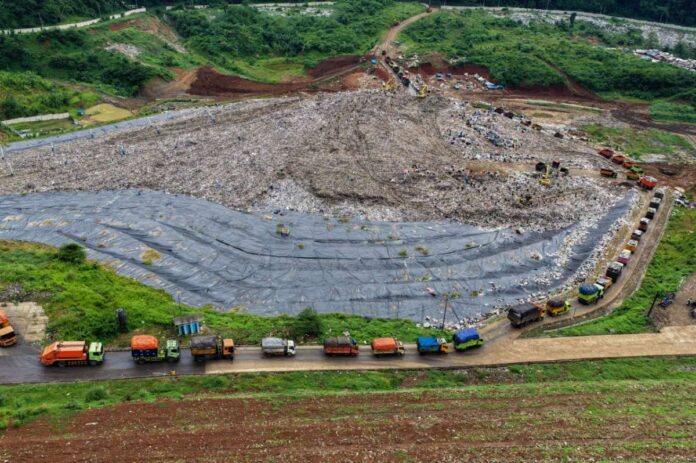
Indonesia’s methane emissions, excluding forestry and other land use, reached approximately 232 million tonnes of carbon dioxide equivalent (MtCO₂e) in 2019, an increase of more than 180% from 1990. The waste sector accounted for around 54% of the total, followed by agriculture at 30% and energy at 14%, according to Haruki’s presentation.
Coal mining is a significant source of methane within the energy sector. Indonesia produces an estimated 2.4 million tonnes of methane from coal mining, equivalent to 198 million tonnes of CO₂, making it the world’s third-largest source of coal mining-related methane emissions, she said.
Methane has around 28 times the global warming potential of CO₂ over a 100-year period, although it remains in the atmosphere for approximately 12 years. Reducing emissions can therefore deliver relatively rapid climate benefits.
In the oil and gas sector, upstream operations recorded approximately 2.16 million tonnes of methane emissions in 2021. Flaring and venting accounted for 74% of the total, while fugitive emissions from leaks contributed 24%, with other operational sources making up the remainder.
Mitigation measures include limiting routine gas flaring under Energy and Mineral Resources Ministry Regulation No. 17/2021, improving natural gas utilization and expanding distribution through city gas networks. The government is also promoting alternative fuels and measures to reduce emissions from transport.
For the coal sector, proposed measures include developing hybrid power plants, rooftop solar and waste-to-energy facilities, promoting electric vehicles for mining operations, carbon offsetting and diversifying energy sources through wind, hydropower and biogas. Haruki also identified the Global Methane Initiative as a platform for advancing methane reduction technologies in the coal industry.
Indonesia is a member of the Global Methane Pledge, which aims to reduce global methane emissions by 30% by 2030 from 2020 levels. The country’s methane mitigation efforts are also linked to its nationally determined contribution (NDC) and long-term net-zero emissions target for 2060.
Haruki said the proposed roadmap would involve consultations with ministries, regional governments, businesses and other stakeholders to validate emission estimates, identify priority actions and establish measurable reduction targets. ***