
Ecobiz.asia – The Indonesian Industrial Estates Association (HKI) has proposed pilot projects for power wheeling, or joint use of the transmission network, at selected industrial estates to connect growing corporate demand for renewable electricity with generation projects.
HKI Vice Chairman Didik Prasetiyono said the pilots could be used to test commercial structures, transmission charges, balancing mechanisms, renewable energy verification and grid reliability before the scheme is expanded more broadly.
He presented the proposal during the Indonesia Sustainable Energy Week (ISEW) 2026 on Wedenesday (August 19, 2026).
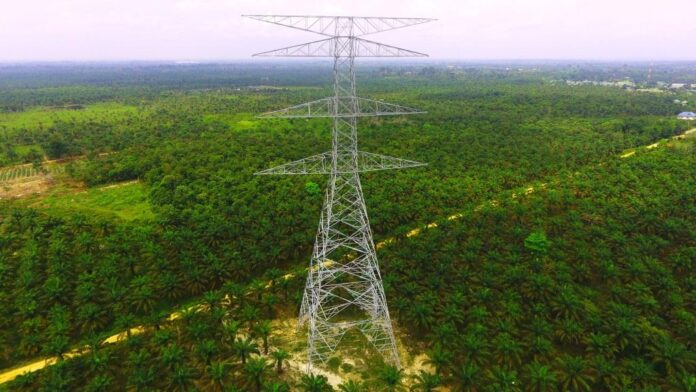
Known in Indonesia as Pemanfaatan Bersama Jaringan Transmisi (PBJT), power wheeling would allow electricity generated from renewable sources such as solar, hydropower, geothermal and wind to be delivered through the transmission network to industrial customers in different locations.
HKI said geography is increasingly becoming a constraint for industrial decarbonization because renewable energy resources are not always located close to major industrial demand centers.
Industrial estates, meanwhile, concentrate large and relatively predictable electricity demand, making transmission access an important factor for companies seeking renewable power.
The association said power wheeling could also create a more bankable demand base for renewable energy developers. Long-term renewable electricity arrangements with industrial customers could provide sufficient demand to support new generation projects, with industrial estates potentially serving as anchor customers.
However, HKI said regulatory certainty would be critical before companies commit to long-term renewable electricity purchases. Industrial and energy investments typically have long investment horizons, while companies may be reluctant to enter 10-, 15- or 20-year electricity contracts if rules governing corporate renewable procurement and power wheeling remain uncertain.
HKI also proposed that industrial estates be recognized as renewable energy demand hubs in national energy planning. Because a single estate can accommodate dozens or hundreds of companies, electricity demand can be aggregated at a scale that could support new renewable generation.
The association called for closer coordination between industrial planning, renewable energy development, transmission infrastructure and electricity procurement.
The potential market is significant. HKI represents 125 industrial estates operated by 175 companies across 24 provinces, covering more than 170,000 hectares. The estates host more than 10,400 industrial tenants and support more than 4.5 million jobs.
HKI said access to verifiable renewable electricity is becoming increasingly important for industrial estates seeking to attract manufacturing and data center investments. Alongside electricity reliability and cost, renewable power availability is increasingly linked to corporate decarbonization commitments, competitiveness and access to international markets. ***